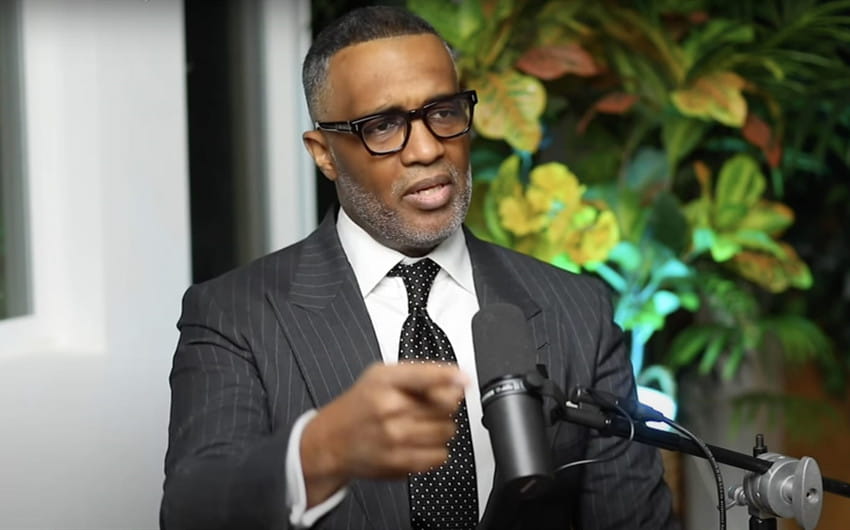
Kevin Samuels Net Worth at Death: How He Built an Estimated $4 Million
Kevin Samuels net worth at death became a hot topic because his rise was fast, loud, and financially real. The best single-number estimate to use is about $4 million at the time he died in May 2022. That figure isn’t about one paycheck—it’s the result of a late-career explosion where he turned a personal brand into a stacked set of income streams that kept feeding each other.
The number people quote most: about $4 million
If you’ve searched this topic, you’ve probably noticed that the internet throws around different totals. But one figure shows up again and again across multiple reporting-style summaries: roughly $4 million. That’s the number most readers should treat as the standard “public estimate” for Kevin Samuels’ net worth when he died.
Here’s the confident way to interpret it: Kevin didn’t have the kind of long, decades-old Hollywood catalog that produces generational wealth. His money was built quickly and aggressively through digital attention, premium consulting, and monetizing an audience when his visibility peaked. A few million dollars is exactly the kind of net worth that fits that blueprint—big enough to reflect major success, but not so inflated that it ignores the realities of how short the prime earning window was.
His death ended the growth curve instantly
Kevin Samuels died on May 5, 2022. Later reporting tied the cause of death to hypertension (high blood pressure), and the case was treated as a natural death. The reason this matters for net worth is simple: his brand was deeply tied to him being present—live streams, interviews, consultations, and real-time cultural relevance. When he died, the most powerful money engine he had—his active presence—shut down overnight.
Yes, a channel can still earn after a creator’s death. Yes, old videos can still generate views. But there’s a big difference between “the catalog still produces some money” and “the creator is alive to keep expanding the business.” Kevin’s growth stage ended on the exact day his life ended.
Before the fame, he was building the skill set that made him valuable
One reason Kevin’s income scaled quickly is that he didn’t start as a random personality trying to go viral. He presented himself as an image consultant and lifestyle advisor, and whether people loved him or hated him, he was consistent about one thing: he was selling transformation. Not “motivation.” Not vague inspiration. A specific promise—presentation, standards, dating leverage, and lifestyle discipline.
That positioning is important because it creates a premium audience. Premium audiences are willing to pay. They don’t just watch. They buy. They book. They subscribe. They donate. They share.
Kevin didn’t build a “content career” first. He built a paid-offer mindset first, then used content to drive people toward it. That’s why his money story moves differently than the average YouTuber.
The real engine: he monetized attention in multiple directions at once
Kevin Samuels’ wealth didn’t come from one source. It came from stacking. This is how modern creator wealth grows when it’s done with intent: you build one big platform, then you attach multiple money doors to it. Viewers walk in through the free door and eventually a percentage of them walk out through paid doors.
These were the biggest lanes behind his estimated net worth.
1) YouTube ad revenue and channel momentum
Kevin’s YouTube presence was the public headquarters of his brand. The platform can pay creators through ads, but ad revenue is only the surface-level payoff. The deeper payoff is what YouTube does to your status: it turns you into a searchable authority.
Once a creator becomes a reference point in cultural debate, the views keep coming—especially when clips travel to other platforms and send people back to the full videos. That kind of momentum can create reliable monthly income, but more importantly, it turns your name into a lead generator for everything else you sell.
2) High-ticket consulting and paid sessions
This is where Kevin’s money story gets serious. Unlike many creators who rely on low-cost products, he built a premium consulting image. The style, the suits, the direct tone, the “no excuses” approach—none of that was accidental. It was pricing psychology.
High-ticket consulting doesn’t require millions of customers. It requires the right customers. If you can sell a small number of sessions at a high price point consistently, you can out-earn creators who have far more followers but no premium offer.
It’s also the kind of income that doesn’t show up cleanly in public records—meaning net worth estimates often struggle to quantify it. But the existence of a premium consulting lane is one of the reasons the “few million dollars” estimate makes sense.
3) Sponsorships, partnerships, and paid appearances
When someone becomes a constant online talking point, brands notice. Even controversial creators can earn sponsorship money if their audience is engaged and their reach is measurable. In addition, creators who build a recognizable persona often earn through paid interviews, event appearances, and collaborations that don’t always look like traditional “brand deals,” but function the same way financially: show up, deliver attention, get paid.
This category is hard to track from the outside, but it’s a standard piece of the creator economy—especially for someone who was regularly trending and being discussed across social media.
4) Donations, memberships, and audience-backed income
Live audiences often pay directly. Super chats, gifts, paid memberships, supporter platforms—these can add meaningful income when a creator’s streams draw strong participation. And Kevin’s content style was built for participation. People didn’t just watch; they reacted. They argued. They stayed for the whole conversation. That kind of engagement is exactly what increases live monetization.
Direct audience income also tends to spike during peak relevance. In Kevin’s case, his peak relevance came late in his career and moved fast—which again supports the idea of a net worth that grew quickly into the millions.
Why his net worth estimate isn’t higher
Some fans assume Kevin should have been worth tens of millions. That’s an emotional reaction to how visible he became. But visibility and wealth are not the same thing.
Here’s why an estimated $4 million net worth is believable and grounded:
- His peak earning window was relatively short. He rose quickly, but he didn’t have decades to compound wealth the way movie stars or tech founders do.
- Creator income can be high but uneven. A viral month can be massive, but it doesn’t automatically mean the next 12 months match it.
- Business overhead exists. Production, branding, travel, teams, studio setup, and lifestyle costs can be substantial for a creator presenting a luxury image.
- Not all revenue becomes net worth. Net worth is what remains after taxes and spending. High income does not guarantee high retained wealth.
Put simply: Kevin likely earned very well, but he didn’t have enough time to turn “high earning years” into “generational billionaire-level assets.” A few million is exactly what a successful, fast-scaling creator-business can leave behind—especially when life ends unexpectedly.
What happened financially after his death?
After a creator dies, the business doesn’t automatically vanish, but it changes shape. The channel can continue earning from older videos. Interviews and clips can continue circulating. People can continue searching the name. That can generate ongoing revenue through ads and licensing arrangements depending on how the content rights are controlled.
But the biggest driver—new content and new conversions—usually slows down without the person at the center. That’s why most “net worth at death” conversations focus on what he had already built by May 2022, not what might have grown later.
Also, any discussion of estate value has to be realistic: private financial details, taxes, obligations, and inheritance structure are not fully public in a way that allows outsiders to calculate an exact final number. What the public can do is estimate based on the visible business footprint and the typical earning model for someone at his level.
Why the internet still argues about his net worth
Kevin Samuels remains a polarizing figure, and polarizing figures always generate extreme claims—too high, too low, too certain. The reasons the numbers vary are straightforward:
- No audited public financial statement exists. Most net worth numbers are estimates, not verified totals.
- Consulting income is private. High-ticket sessions aren’t reported publicly like movie salaries.
- Creator revenue is hard to model. Platforms pay differently, views fluctuate, and sponsorship rates vary widely.
- People confuse influence with assets. Being famous online doesn’t mean you own the kind of appreciating assets that create huge net worth totals.
When you strip away the hype, the most consistent answer still lands in the same place: Kevin Samuels’ net worth at death is best described as approximately $4 million.
The clean takeaway
Kevin Samuels built real wealth in a short, intense run by doing what many creators never manage: he turned attention into a structured business. He stacked YouTube, consulting, paid participation, and brand opportunities into one machine—and when that machine was running at full speed, it was powerful enough to create a multi-million-dollar net worth.
Estimated Kevin Samuels net worth at death: about $4 million. It’s the most believable number because it matches the timeline, the business model, and the reality that his peak came fast—and ended suddenly.
image source: