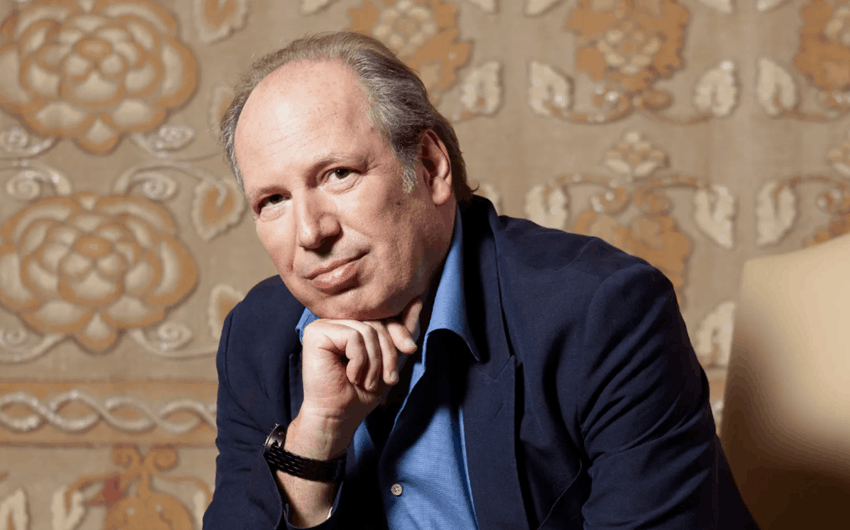
Hans Zimmer Net Worth in 2026: Inside the Composer’s $200 Million Empire
Hans Zimmer net worth is big for a simple reason: he didn’t just write famous film music—he built a system that keeps paying long after the credits roll. The headline estimate you’ll see most often is about $200 million. But the more interesting part is how he got there: blockbuster scoring fees, a catalog that earns forever, and a behind-the-scenes studio model that turned Zimmer from “composer” into a full-scale music brand.
Estimated Hans Zimmer net worth today
Most major net worth trackers commonly estimate Hans Zimmer’s net worth at around $200 million. That figure doesn’t come from one giant paycheck. It comes from decades of work at the very top of Hollywood, plus business ownership and long-term music rights that don’t stop generating revenue just because a movie leaves theaters.
Net worth numbers are always estimates, not a private accounting report. Still, the $200 million figure fits the scale of Zimmer’s career: he has scored well over a hundred films, collected major awards, and expanded into touring and production at an arena level.
How Hans Zimmer actually makes money
People think film composers get paid once and move on. That’s not how the top of this business works. Zimmer’s income is layered. Some layers are obvious—like scoring fees. Others are quieter, like publishing and production income that keeps showing up year after year.
1) Big scoring fees for big movies
At Zimmer’s level, studios aren’t hiring “a composer.” They’re hiring a signature. His sound is part of a film’s identity, and studios pay accordingly. A major franchise score can involve months of work, large teams, orchestras, recording costs, and intense deadlines. The fee reflects the workload and the leverage: when a studio wants the Zimmer sound, they’re paying for certainty.
And Zimmer rarely works on small, low-visibility projects anymore. His filmography is stacked with high-budget titles and global releases, which is where the largest fees tend to live.
2) Publishing and writer royalties
This is the “forever money” part. When Zimmer writes music, he creates intellectual property. That property can earn publishing income when the music is used, performed, licensed, or re-used across different platforms. Even if you never buy a soundtrack album, that music can generate revenue through performance royalties and licensing in ways most casual listeners never see.
Publishing is also why great film music becomes a long-term asset. A theme from a major film doesn’t disappear; it gets replayed, re-licensed, referenced, performed in concert, and sometimes used in advertising or trailers. That repeated use is what turns a composer’s catalog into wealth.
3) Soundtracks, streaming, and soundtrack album sales
Soundtrack albums aren’t what they were in the CD era, but Zimmer’s audiences are unusually committed. His soundtrack releases perform well because fans treat his music like its own genre—something you can study, work to, drive to, or put on in a live show. Streaming has also created a steady background income stream for composers with recognizable catalog depth.
4) Touring: Zimmer turned film music into arena business
The modern twist in Zimmer’s money story is touring. He didn’t just do a couple of “composer nights.” He helped turn film scores into a live experience big enough for arenas and major venues.
There are two important angles here:
- Hans Zimmer Live (where his music is presented in a full concert production, with a band/orchestra setup and major visual staging)
- The World of Hans Zimmer (a curated touring production of his music performed live with orchestra and soloists under musical direction, designed for large-scale touring)
Touring changes the financial equation because live revenue can be enormous when it scales: tickets, VIP packages, merchandise, licensing, and the sheer volume of dates. It also expands the audience. Some people discover Zimmer in a concert hall first, then go back and stream everything. That feedback loop strengthens both touring income and catalog earnings.
The business side most people miss: Zimmer built a production ecosystem
Hans Zimmer isn’t just a lone composer at a piano. He’s the center of a studio ecosystem. A big part of his long-term wealth is tied to building infrastructure—studios, teams, and a production model that can handle multiple projects, massive deadlines, and complex music deliveries.
His film score company, Remote Control Productions, became one of the most influential composer hubs in modern film music. It’s known for mentorship, collaboration, and a workflow that can support huge Hollywood projects. That matters financially because it turns creative work into scalable production. When you can scale, you can take on more, build more partnerships, and hold more influence over the kind of projects that generate the biggest checks.
Awards don’t pay by themselves, but they raise the price of everything
Zimmer’s trophy shelf is not decoration—it’s leverage. He has multiple major awards, including Academy Awards and Grammy recognition. Awards signal to studios and partners that you’re not just popular; you’re elite. That raises negotiating power. It strengthens your ability to command top fees, get prime projects, and attract the best musicians and collaborators.
It also helps touring. When audiences see “Oscar-winning composer” on a tour poster, it validates the concert as a must-see event, not a niche experience. Prestige turns curiosity into ticket sales.
Why the $200 million number makes sense
When you step back, the math starts to look logical:
- Decades of top-tier scoring fees from blockbuster films and major studios
- A deep catalog that continues earning through publishing and repeated use
- A business ecosystem that scales creative production through Remote Control Productions
- Major touring productions that turn film music into arena-level revenue
- Prestige and awards that keep demand high and pricing power strong
That combination is rare. Many composers have famous work. Very few turn that fame into a global touring product and a production model that influences an entire generation of film music.
Why you’ll still see different net worth estimates online
Even with a career this visible, exact wealth is hard to pin down. Some assets are private. Some rights deals are confidential. Some income is variable (touring years can be huge; quieter years can be smaller). And business ownership is difficult to value from the outside unless a company is public or a sale price is disclosed.
So when you see different numbers, don’t assume one is “true” and the others are “fake.” Think of net worth as a range that becomes clearer when multiple facts point in the same direction. With Zimmer, the scale of his career and business footprint supports the high-end estimates more than the typical celebrity guesswork does.
Bottom line
Estimated Hans Zimmer net worth: about $200 million. He earned it by doing what the best in Hollywood do—then going further. He didn’t stop at composing iconic themes. He built ownership, catalog power, and live touring into a machine that can keep generating revenue for decades. For readers trying to understand his wealth, the conclusion is simple: Zimmer isn’t just paid for what he creates today. He’s paid for what he created years ago, what it still earns now, and the massive platform he built around it.
image source: https://fox40.com/news/entertainment/ap-entertainment/ap-hans-zimmer-talks-about-first-north-american-tour-dates-in-7-years-the-magic-of-composing-for-film/