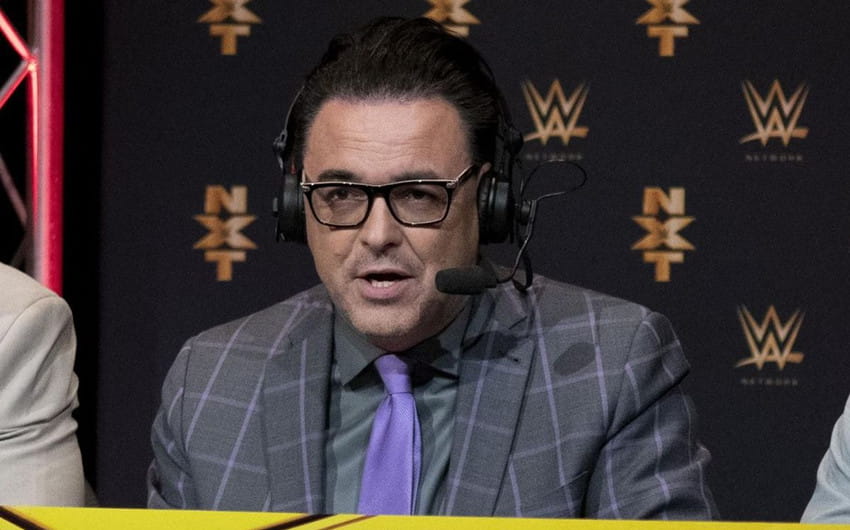
Mauro Ranallo Net Worth Estimate and How You Can Track His Income
If you’re searching mauro ranallo net worth, you’re probably trying to figure out how much money a top-tier combat sports and pro wrestling broadcaster can realistically build over decades. The honest answer is that Mauro’s exact finances aren’t publicly itemized like a company’s quarterly report, so any number you see online is an estimate. But you can get to a smart range by looking at the kinds of contracts he’s held, how long he’s stayed in high-demand broadcasting lanes, and the extra income that comes from voice work, media appearances, and brand value.
A realistic estimate for mauro ranallo net worth is around $1 million to $3 million, with some estimates floating higher depending on how people value his peak TV years and outside projects. The range matters because broadcasting income can swing a lot based on contract length, network budgets, exclusivity, and how many gigs you stack in a given year.
Why Mauro Ranallo’s net worth is hard to pin down
You’re not dealing with a celebrity who sells products with public sales numbers. You’re dealing with a professional whose biggest checks likely come from private contracts. That means you won’t see:
- exact annual salary figures confirmed in public filings
- full details on bonuses, per-event rates, or renewals
- the true net after taxes, agents, and management
Broadcasters also don’t earn like athletes. A fighter’s purse might be public. A commentator’s deal usually isn’t.
So your goal isn’t “the perfect number.” Your goal is a reasonable range based on how this career typically pays.
How Mauro Ranallo makes money
Mauro’s career is a rare blend: he’s known for both combat sports commentary and professional wrestling commentary, and that versatility is valuable because it widens the number of networks and promotions that can hire you.
Broadcasting contracts and per-event pay
This is the core of his income.
When you’re a lead play-by-play voice, you typically earn through one of these structures:
- annual salary (common for major promotions/networks)
- per-event rate (common for boxing and special broadcasts)
- hybrid deals (base pay + event bonuses + travel coverage)
Mauro’s resume includes major-name platforms, which usually means higher pay than local or regional broadcasting. If you’re trying to understand his net worth, this is where most of the money is likely concentrated—especially during the years when he was on big weekly TV.
Pro wrestling commentary earnings
Wrestling commentary can be financially significant because it often involves:
- weekly or near-weekly tapings
- pay-per-view or premium event bonuses
- additional media obligations (promo, interviews, network content)
If you’ve ever watched how wrestling operates, you know it’s not a “show up once a month” job when you’re on a main broadcast team. It’s a schedule-heavy role with strong visibility, which can translate to steady income during contract years.
Combat sports commentary earnings
Combat sports commentary can pay well, but it’s usually more event-driven. Boxing and MMA broadcasting often work like:
- a smaller number of high-value nights per year
- prep work, travel, and production meetings
- occasional international scheduling
The advantage is that big events can pay more per appearance than routine studio work. The downside is that your yearly total depends on how many events you book and whether you’re tied to one promotion or multiple.
For Mauro, having credibility in both MMA and boxing is a career asset because it keeps him employable even when one lane slows down.
Voiceover, hosting, and media appearances
Mauro’s voice is his brand. When you become known for a distinct delivery—high energy, fast pace, signature catchphrases—you become a natural fit for:
- voiceover gigs
- documentary narration
- sports show hosting
- guest commentary and special appearances
These jobs don’t always make headlines, but they can add meaningful income over time, especially when you’re already a recognizable broadcast personality.
Books, speaking, and mental health advocacy work
Mauro has been open about mental health and has a reputation for advocacy. When you build credibility in that space, it can lead to:
- paid speaking engagements
- keynote appearances
- partnerships with organizations or events
- paid interviews and media projects tied to awareness campaigns
Even if advocacy is personally motivated (not profit-driven), it can still become part of a sustainable income mix—especially for public figures with a compelling story and a strong voice.
Brand value and “being hireable”
This sounds abstract, but it matters.
Mauro’s net worth isn’t only a sum of paychecks. It’s also the value of being a broadcaster who can:
- carry a live show
- elevate a main event without overshadowing it
- work with different production styles
- speak to multiple audiences (wrestling fans and fight fans)
That reputation increases your leverage in negotiations. And leverage is what turns a “good career” into higher pay over time.
The career factors that likely boosted his earnings most
If you’re trying to understand why Mauro’s net worth estimate sits comfortably in the seven-figure zone, these factors do most of the heavy lifting.
Longevity across multiple eras
Broadcasters who stick around for decades usually do it because they’re dependable under pressure. That steadiness leads to repeat contracts and referrals.
High-visibility roles
When you become “the voice” of major events or major weekly shows, your market value rises. Even after you move on, that visibility can keep your booking rate higher than it would be otherwise.
Cross-genre credibility
Many commentators are stuck in one lane. Mauro’s ability to work across wrestling and combat sports increases his options, which reduces career risk and supports long-term earning.
What expenses can reduce a broadcaster’s real take-home income
When people estimate net worth, they often forget the invisible costs. Even if Mauro’s gross earnings were high in peak years, the net can be reduced by:
- agent and management fees
- travel and lifestyle costs (especially during heavy touring schedules)
- taxes across different locations (depending on where work occurs)
- healthcare and personal support costs
- business expenses tied to media branding
This is why two commentators with similar fame can have very different net worth outcomes.
How you can judge whether the estimate range makes sense
If you want to sanity-check the $1 million to $3 million estimate, use these reality tests:
- Has he worked major broadcasts for many years? Yes.
- Did he hold roles that typically pay professional salaries (or better)? Yes.
- Has he diversified beyond one promotion or one sport? Yes.
- Does he have brand value that leads to ongoing opportunities? Yes.
That’s why a low-to-mid seven-figure net worth is a realistic outcome. It matches the career footprint without assuming hidden billionaire-level investments.
What could move his net worth higher over time
Even if his biggest weekly TV years are in the past, his net worth can still grow if he continues stacking income streams like:
- premium event commentary
- long-form documentary work
- hosting and voiceover contracts
- speaking engagements and paid appearances
- production or creative roles behind the scenes
The key is that his skill set ages well. A fighter’s body declines. A broadcaster’s value can remain strong as long as their voice, prep, and performance stay elite.
The takeaway
If you searched mauro ranallo net worth hoping for a realistic, not-overhyped answer, the best estimate is that he’s worth around $1 million to $3 million, built primarily through high-level broadcasting contracts across wrestling and combat sports, plus additional media work and brand-driven opportunities. The exact number is hard to confirm publicly, but the range fits the career: long-running, high visibility, and diversified.
Featured image source: Pinterest