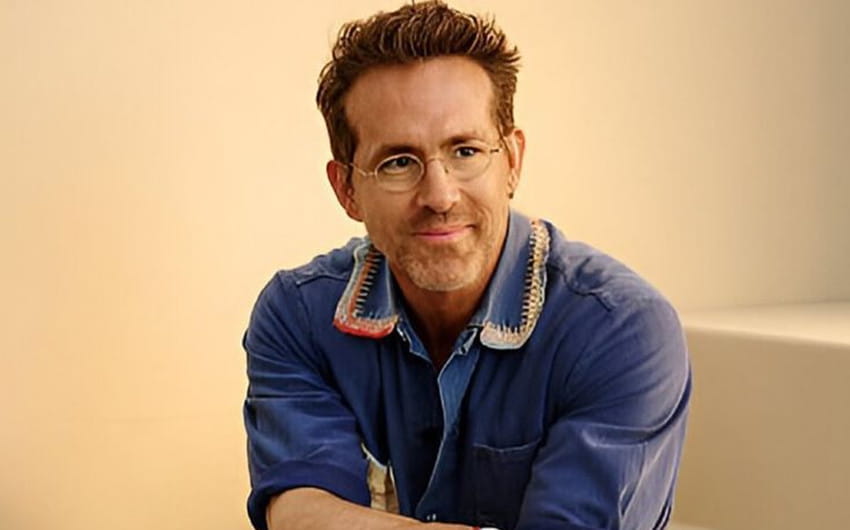
Ryan Renyolds Net Worth Estimate and How He Built His Fortune
If you’re searching ryan renyolds net worth, you’re probably trying to understand two things at once: how much money he’s made from acting, and how much of his wealth comes from business deals that have nothing to do with movie sets. The short version is that Ryan Reynolds’ fortune isn’t built on salary alone. It’s built on a modern celebrity strategy: use acting fame to create ownership stakes, invest early, and turn brand-building into equity.
Because celebrities don’t publish full balance sheets, any number you see is an estimate. But you can still get a realistic picture by breaking down where Ryan’s money comes from and why his career has been unusually effective at converting popularity into long-term wealth.
Ryan Renyolds net worth estimate
Ryan Reynolds’ net worth is commonly estimated in the hundreds of millions of dollars, and a realistic range often discussed is roughly $300 million to $400 million. You should treat that range as an estimate rather than a guaranteed fact, because the final number depends on private details like deal structures, taxes, ownership percentages, and investment performance.
What you can say with confidence is that his wealth is unusually high compared to many actors with similar box-office recognition, because he has repeatedly positioned himself as an owner and operator, not just talent for hire.
Why Ryan Reynolds’ net worth looks different from a typical actor’s
Most actors earn money like this:
- salary for a film or series
- occasional bonuses (back-end points, box office performance)
- endorsements
Ryan Reynolds does all of that, but the difference is that he has also built wealth through:
- equity ownership in consumer brands
- marketing and production ventures
- strategic investments that scale beyond Hollywood
If you’ve ever wondered why some celebrities get rich while others get truly wealthy, the answer is usually ownership.
Acting income: the foundation of his fortune
Ryan Reynolds has been acting for decades, and while he didn’t start as an instant blockbuster king, he did something more valuable long-term: he stayed consistently visible across multiple eras of film and TV.
His acting income includes:
Big franchise paydays
His biggest financial “acting era” is tied to Deadpool. That franchise didn’t just pay him for starring—it rewarded him for the way he helped shape the voice and identity of the brand. When a movie is that culturally sticky, the lead actor’s negotiating power increases dramatically.
Even if you don’t know the exact salary numbers, you can understand the mechanism: huge audience + repeatable franchise + global performance = higher base pay and stronger back-end potential.
Consistent mid-to-high budget work
Reynolds has also done a long run of studio films and streaming projects that keep his earning power steady. Some actors depend on one franchise. Ryan has maintained a pipeline, which matters because net worth grows fastest when income is steady year after year rather than spiking once and fading.
Production involvement
In many of his projects, Reynolds is not just acting—he’s producing. Producer credits can mean additional compensation and more creative control, but more importantly, they can mean a larger share of upside when a project hits.
Deadpool: the career pivot that boosted everything
If you want to understand how “Ryan Renyolds net worth” became such a huge search term, you can trace it back to Deadpool.
Here’s why Deadpool mattered financially:
- It turned him into a franchise anchor with leverage.
- It strengthened his brand voice (humor + self-awareness + marketing savvy).
- It proved he could sell a project, not just appear in one.
That last point is a big deal. Studios pay a premium for talent who can move audiences. And Ryan doesn’t just “promote” movies—he builds campaigns that become internet events.
Business ventures: where the wealth really accelerates
Ryan Reynolds’ net worth isn’t only a Hollywood story. It’s a business story.
Aviation Gin and the power of owning a brand
One of his most widely discussed business wins is Aviation Gin. Ryan didn’t just endorse it—he became a major face of the brand’s marketing and was involved in building its personality. The big lesson here isn’t gin. It’s that he understands what modern advertising needs: humor, authenticity, and a tone that feels native to social media.
When the company was sold, the deal drew attention because it showed how valuable celebrity-driven brand-building can be when the celebrity is actually good at marketing, not just famous.
Mint Mobile and the “small brand, massive attention” strategy
Another major wealth driver has been Mint Mobile. Again, the pattern is the point: he wasn’t just a spokesperson. He helped shape the brand’s voice and visibility, turning a budget-friendly service into something people actually talked about.
This is where Ryan’s approach looks more like a tech founder than an actor. He takes something that could be boring (wireless plans, liquor, advertising) and makes it entertaining. That skill converts directly into business value.
Maximum Effort: turning marketing into a company
If you’ve seen Ryan Reynolds ads and thought, “This feels like a movie trailer mixed with a meme,” that’s not an accident. His marketing company, Maximum Effort, is a major part of his wealth engine because it formalizes what he does naturally:
- build campaigns that go viral
- write copy and concepts that feel human
- make brands feel like personalities
Marketing is one of the most scalable industries in the world. A movie salary ends when the film wraps. A marketing company can generate value year after year, across multiple clients.
Wrexham AFC: the long-term brand and community play
Ryan Reynolds’ ownership (with Rob McElhenney) of Wrexham AFC is another part of the picture. Football club ownership isn’t always about immediate profit. It can be about:
- global storytelling
- community identity
- media rights
- merchandising
- long-term franchise value
With the success of their docuseries and the global attention on Wrexham, the brand value of the club has grown far beyond what many would have predicted.
If you’re trying to understand “net worth” correctly, you have to include this: ownership in a sports club can appreciate dramatically if media attention and performance increase.
Investments: the quieter net worth multiplier
Reynolds has also been linked to investments in various companies, and while you might not see every detail, the concept is straightforward: once you have substantial cash flow, you can invest in growth assets that multiply your wealth beyond salary.
This is how the richest celebrities become richer. The money works while they sleep.
How his personal brand drives his earnings
A huge part of Ryan Reynolds’ net worth is tied to something you can’t put on a spreadsheet easily: his personal brand.
His brand is:
- funny, self-aware, slightly chaotic
- consistent across films, interviews, and ads
- safe enough for mainstream audiences
- distinctive enough to stand out
That consistency makes him valuable because brands know what they’re buying. Studios know what they’re buying. Audiences know what they’re getting.
When your identity is clear, you become a repeatable product in the market. That’s not romantic—but it’s how celebrity economics works.
What could change his net worth over time
Even with massive wealth, net worth isn’t fixed. It can rise or fall depending on:
- business exits (selling a stake at the right time)
- new investments that succeed or fail
- the performance of his production ventures
- major real estate moves
- taxes and financial planning
But if you look at his pattern, his wealth is likely to remain strong because it’s diversified: movies, marketing, consumer brands, and sports ownership.
The takeaway
If you searched ryan renyolds net worth because you wanted a realistic picture, here’s the most accurate way to think about it: Ryan Reynolds is worth hundreds of millions, often estimated around $300 million to $400 million, because he didn’t stop at acting paychecks. He built a business ecosystem—brand ownership, marketing infrastructure, and investments—designed to scale.
Featured image source: Pinterest